
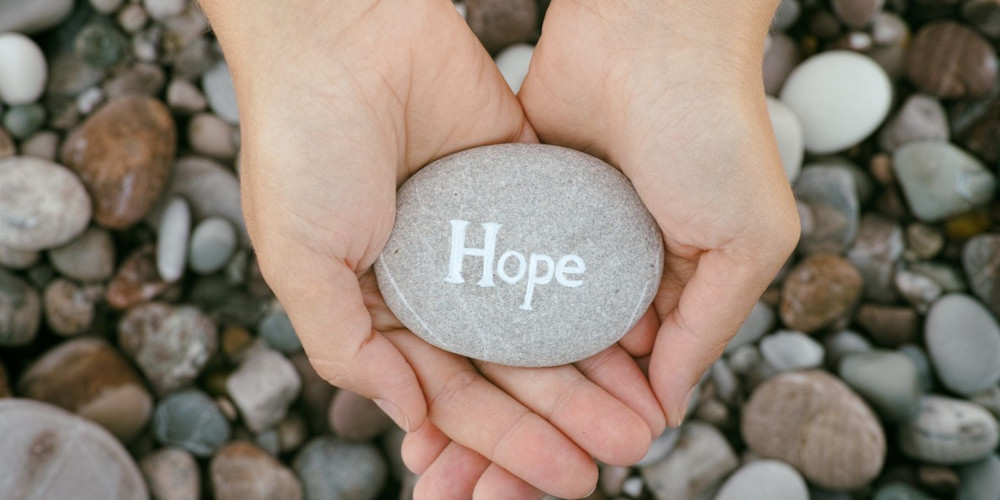
Hope is one of the most abused words in the addiction world, and that is exactly why it still matters. People say it when they do not know what else to say. Families say it at hospital beds and police stations. Friends say it in WhatsApp voice notes. Professionals put it on posters because it looks kind. Addicted people say it to buy time. Everybody uses it, and yet most homes dealing with addiction do not feel hopeful at all. They feel exhausted, embarrassed, angry, and numb.
When people feel lost in a world full of addiction, it is usually because they are living inside contradiction. They love someone they cannot trust. They want to help but every rescue makes things worse. They are told addiction is a sickness, but they are also watching choices that look cruel and selfish. They are told to be patient, but patience has a body count in some families. They are told not to judge, while their lives are being stripped down piece by piece.
Hope in this space cannot be fluffy. It cannot be motivational quotes. It cannot be denial dressed up as optimism. Real hope has to be practical, because practical hope is the only kind that survives.
The modern lost feeling
Addiction does not only ruin the person using. It messes with the people watching. It makes parents question their parenting. It makes partners question their judgment. It makes children question whether love is safe. It makes friends question whether they were naive. It makes communities suspicious. It makes everyone quieter, because nobody wants to be the family with the problem.
Addiction also attacks meaning. When a person relapses again and again, it starts to feel like effort is pointless. Families begin to believe nothing works. The addicted person begins to believe they are broken. That is where the lost feeling comes from, not from lack of information, but from repeated disappointment that teaches the brain to stop expecting change.
People also feel lost because addiction thrives in isolation and modern life is already isolating. We live online, we perform wellness, we hide pain, and we treat struggle like weakness. Add addiction and the hiding becomes total. The household becomes a closed system. The outside world sees curated normal, while inside the home is tense and unstable.
This is why people say they feel lost. Not because they lack hope, but because hope has been burned too many times.
Why humans cling to hope anyway
Even in the worst addiction stories, hope keeps showing up because humans are wired to survive. People keep trying because love and attachment are powerful. Families keep fighting because letting go feels like death. Addicted people keep reaching for the next chance because the part of them that wants relief is also a part that wants life, even if it is expressed in a twisted way.
Hope also returns because people have seen change happen, sometimes suddenly, sometimes slowly, sometimes after years of chaos. That does not mean everyone gets the outcome they want. It does mean that the human brain can rebuild, that habits can change, and that identity is not fixed.
The addiction world is full of tragedy, but it is also full of evidence that change is possible when the right support and structure are in place. The problem is that people confuse possibility with probability. They think if change is possible, it will happen automatically. It won’t. It needs a system.
Boundaries are not cruelty, they are love with teeth
Many people feel lost because they think they have two options, enable the addiction or abandon the person. They do not see the middle option, boundaries.
Boundaries are not punishment. They are the line between love and self destruction. They tell the addicted person, I care about you, and I will not participate in this behaviour. They tell the family, we are allowed to have safety. They tell children, this is not normal and you are not responsible.
Boundaries are also hope, because they create consequences, and consequences are often the only thing that cuts through denial. Addiction is a liar. It will promise tomorrow forever. Boundaries force today.
If a person wants to get well, boundaries help them. If a person wants to keep using, boundaries expose the truth. Either way, boundaries reduce the chaos that makes everyone feel lost.
Why the world feels addicted
Here is the uncomfortable part that will get comments. A lot of people feel lost because addiction is not only about substances. It is about escape, and modern life is full of escape routes.
We escape into phones, porn, gambling, shopping, food, work, rage, and endless noise. Substances are the most obvious version, but the deeper issue is that many people do not know how to sit with discomfort anymore. We treat discomfort like an emergency. We do anything to avoid it.
That is why addiction feels everywhere. It is not only that drugs are available. It is that the human need to numb has become normalised. People feel lost because they are surrounded by distraction, but not surrounded by meaning.
Hope in this context is not pretending the world is fine. Hope is building a life where you can tolerate discomfort and still stay present.
What to do when you feel lost
If you are the person using, hope starts with honesty. Not public confession, not dramatic guilt, just honest acknowledgement that your coping is harming you and others, and that you need help that is structured. The second step is to stop making promises and start making plans. Plans are appointments, assessments, treatment, support groups, and accountability. The third step is to accept that recovery is not about feeling confident, it is about doing the next right thing even when you feel shaky.
If you are the family, hope starts with getting support for yourself. A family that is traumatised cannot think clearly. You need guidance, counselling, support groups, and a plan. The second move is boundaries, clear, realistic, and enforced. The third move is to stop treating relapse as surprise and start treating it as a risk to manage. That means safety planning, money boundaries, phone boundaries, and knowing what you will do if things escalate.
These are not motivational ideas. They are practical steps that remove the lost feeling, because the lost feeling is often the feeling of being powerless.
The kind of hope that survives addiction
Hope that survives addiction is not fragile. It does not depend on a good day. It does not collapse when someone relapses. It does not live in promises. It lives in structure, support, and decisions that protect life.
Humans feel lost when their reality is chaotic and their options feel impossible. Addiction creates that feeling on purpose, because it makes people easier to manipulate and easier to control. The way out is not more inspirational talk. The way out is a clear plan, honest boundaries, and a refusal to keep pretending that love alone can fix a problem that requires treatment and accountability.
Hope is not the promise that everything will be okay. Hope is the decision to stop living in denial and start building a system that makes change possible. In a world full of addiction and lost people, that kind of hope is rare, and it is real.