
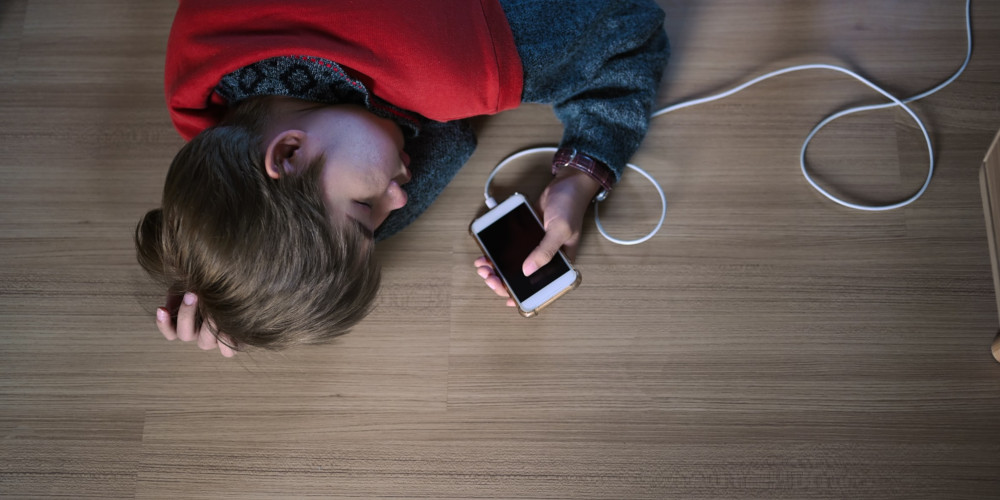
Children today are encountering powerful emotional stimulation long before they learn how to regulate what they feel. Screens deliver novelty, reward, colour, sound, and affirmation instantly, often before a child has developed language for frustration, boredom, disappointment, or waiting. This imbalance matters because emotional regulation is not an instinct, it is a learned skill built slowly through real world experiences. When stimulation arrives first and coping comes later or not at all, the nervous system learns to chase relief instead of building tolerance.
This is not about demonising technology or blaming families who are trying to survive demanding lives. It is about acknowledging that modern childhood has changed faster than emotional development can adapt. Children are not choosing this environment, they are being shaped by it.
Dopamine Without Effort Rewrites Expectation
Dopamine is not pleasure, it is anticipation and motivation. It teaches the brain what is worth pursuing. Screens provide dopamine quickly and reliably without requiring effort, patience, or emotional engagement. A swipe, a tap, or a scroll produces a response. Over time the brain learns that stimulation should arrive easily and frequently.
The problem appears when real life fails to match that expectation. Conversations move slowly. Schoolwork requires focus. Relationships involve misunderstanding and repair. When a child has learned that relief should be instant, anything that is not becomes intolerable. Frustration feels overwhelming not because the task is impossible but because the nervous system has not practiced staying present through discomfort.
This is why many children appear explosive, restless, or emotionally flat when screens are removed. It is not defiance. It is a nervous system that has been trained to expect constant reward and has not learned how to wait.
Emotional Regulation Is Built Through Friction
Children learn to regulate emotions by experiencing manageable levels of frustration and being supported through them. Waiting for a turn, losing a game, feeling bored, struggling with a task, or sitting with disappointment all contribute to emotional growth. These moments are not pleasant but they are essential.
When screens remove friction, those lessons disappear. A bored child is no longer required to invent a game, reflect, or tolerate stillness. A frustrated child can be distracted instantly. Over time the emotional muscles that allow children to self soothe and problem solve remain underdeveloped.
This does not mean screens are the only factor, but they are uniquely efficient at removing discomfort. When discomfort is consistently avoided, the ability to handle it never forms. Later in life this gap shows up as anxiety, avoidance, irritability, or emotional shutdown.
Why Boredom Matters More Than We Admit
Boredom is not a failure state. It is the space where imagination, reflection, and internal motivation develop. When children are bored they are pushed inward, forced to engage with their thoughts, emotions, and impulses. This process builds creativity and emotional awareness.
Screens eliminate boredom entirely. There is always something to watch, play, or consume. The result is a generation that struggles with unstructured time. Silence feels threatening. Stillness feels uncomfortable. Many children and teenagers report anxiety when nothing is happening, not because something is wrong but because they have never practiced being alone with themselves. Boredom teaches children that they can survive emptiness. Screens teach them that emptiness must be filled immediately.
The Rise of Emotional Fragility
Many parents and teachers describe children as more sensitive, more reactive, and less resilient than previous generations. This is often framed as weakness or overprotection, but it is more accurate to see it as a lack of emotional training.
When a child has relied on external stimulation to manage feelings, internal regulation never develops fully. Small stresses feel enormous. Criticism feels unbearable. Discomfort feels like danger. Emotional reactions escalate quickly because the system has not learned how to downshift on its own.
This fragility is not a character flaw. It is a predictable outcome of an environment that prioritises comfort over capacity. When relief is always available, tolerance never grows.
Screens and the Avoidance Loop
Avoidance is a powerful learning mechanism. When a behaviour reduces discomfort, the brain remembers it. Screens reduce discomfort extremely effectively. Feeling sad, bored, lonely, angry, or overwhelmed can all be softened instantly by digital stimulation.
Over time children learn to avoid emotional states rather than move through them. This pattern is concerning because avoidance strengthens anxiety. The more emotions are escaped, the more threatening they feel when they inevitably return.
This avoidance loop mirrors patterns seen in substance use later in life. The substance or behaviour is not the core issue, the issue is reliance on external relief instead of internal regulation. Screen addiction in childhood does not guarantee future addiction, but it can create the conditions where coping through avoidance feels normal.
Attention Is Not Just Focus It Is Emotional Control
Attention is often discussed as a cognitive skill, but it is also an emotional one. Sustained attention requires the ability to tolerate boredom, frustration, and delayed reward. When attention is constantly fragmented by fast paced digital input, that tolerance weakens.
Children raised on rapid stimulation struggle with tasks that require sustained effort. Reading, listening, and problem solving feel exhausting. This is not laziness. It is an attention system that has been trained to expect constant novelty.
As a result many children are labelled as having behavioural or attention disorders without addressing the environmental factors shaping their nervous systems. The question is not why they cannot focus, it is what their brains have been trained to expect.
Parents Are Managing Systems Not Failing Children
It is important to say clearly that this is not a moral judgement on parents. Families are navigating systems that demand productivity, constant availability, and digital engagement. Screens are often used as survival tools, not indulgences.
What is missing is honest support and realistic guidance. Parents are told to limit screens without being offered alternatives that fit modern life. Schools rely on digital tools while criticising their impact. Society demands calm, focused children while surrounding them with stimulation. Blame helps no one. Understanding helps everyone.
Relearning Emotional Skills Is Possible
The nervous system is adaptable. Children can learn emotional regulation later, but it requires intention and consistency. This does not mean removing screens entirely. It means reintroducing experiences that build tolerance and self awareness.
Unstructured play, boredom, physical activity, conversation, and quiet time all contribute to regulation. So does allowing children to feel uncomfortable without immediately fixing it. Support does not mean rescue. Presence matters more than distraction.
When children are guided through frustration rather than shielded from it, they learn that emotions are manageable. This lesson is more protective than any filter or time limit.
The Long View Matters More Than Convenience
The true cost of early dopamine exposure is not visible immediately. It appears later in anxiety, burnout, emotional avoidance, and difficulty coping with adult responsibilities. These outcomes are not inevitable, but they are increasingly common.
The goal is not to raise children who never struggle. It is to raise children who know how to struggle without collapsing. That capacity is built slowly through real experiences that screens cannot replace.
If we want future generations who can handle complexity, disappointment, and uncertainty, we need to prioritise coping skills before stimulation. Dopamine should be a reward, not a foundation.
Choosing Capacity Over Comfort
Comfort feels kind in the moment. Capacity is kind over a lifetime. When children are given tools to manage emotions instead of being distracted from them, they grow stronger, not harder.
This conversation is uncomfortable because it asks adults to examine not just children’s screen use but our own relationship with discomfort. Screens soothe everyone. The difference is that adults have already built some coping skills. Children are still forming theirs.
What we model becomes what they learn. If we show that discomfort can be tolerated and emotions can be felt without escape, we give children something far more valuable than entertainment. We give them resilience. The future generation does not need more stimulation. It needs the ability to live without it.